The smell of soapy water filled the streets of Valencia as café and restaurant staff began their day by scrubbing the entrances to their businesses. It was a small gesture of welcome for the day’s first customers, among them those of us arriving with high hopes of tasting Valencia’s celebrated food.
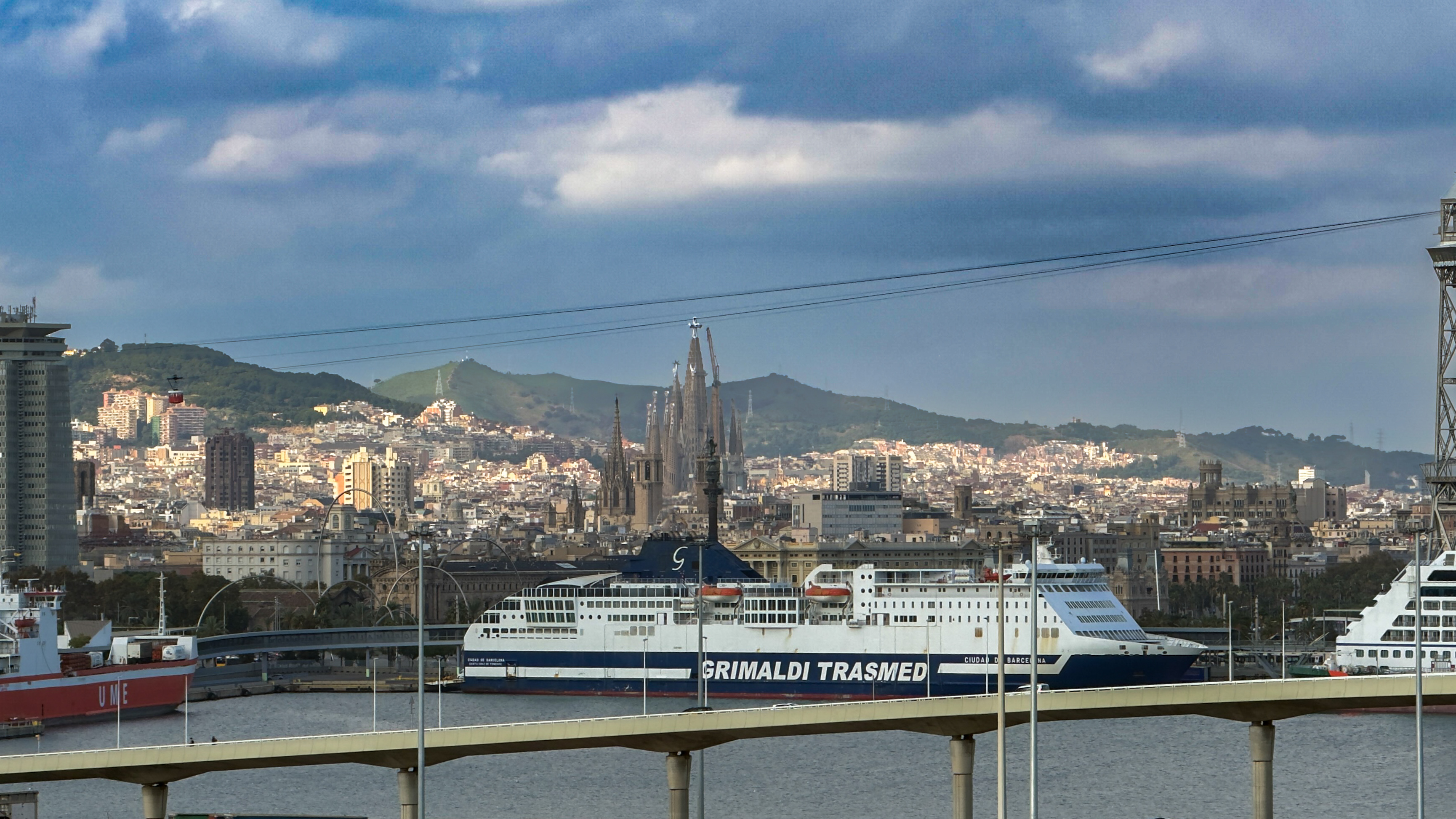
On the second day of our 14-night transatlantic cruise, which had set sail from Barcelona the day before, we arrived at the first of the itinerary’s five ports, and one of the stops I was most excited about: Valencia, Spain.
Getting from the Valencia Cruise Port to the Old Town
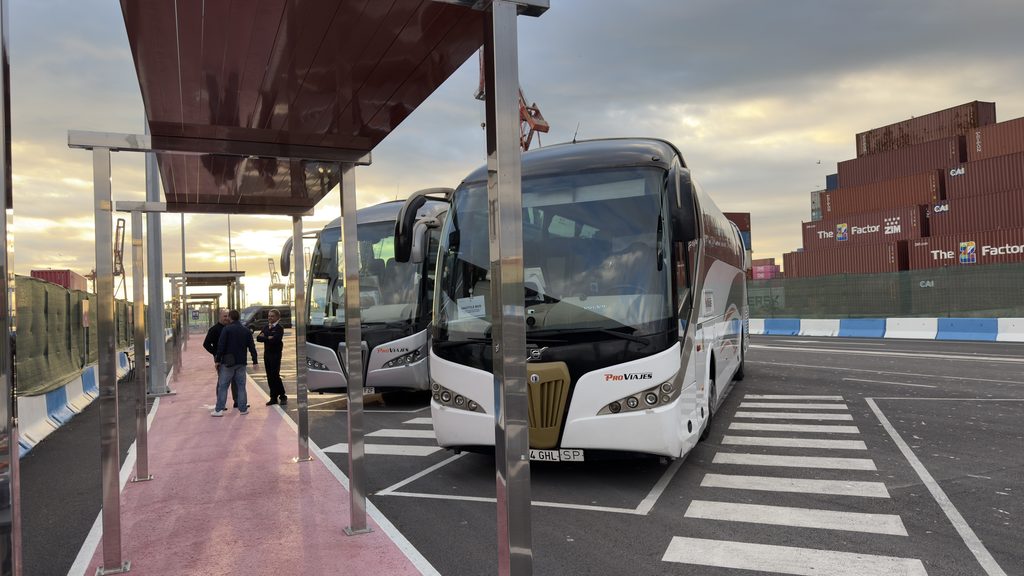
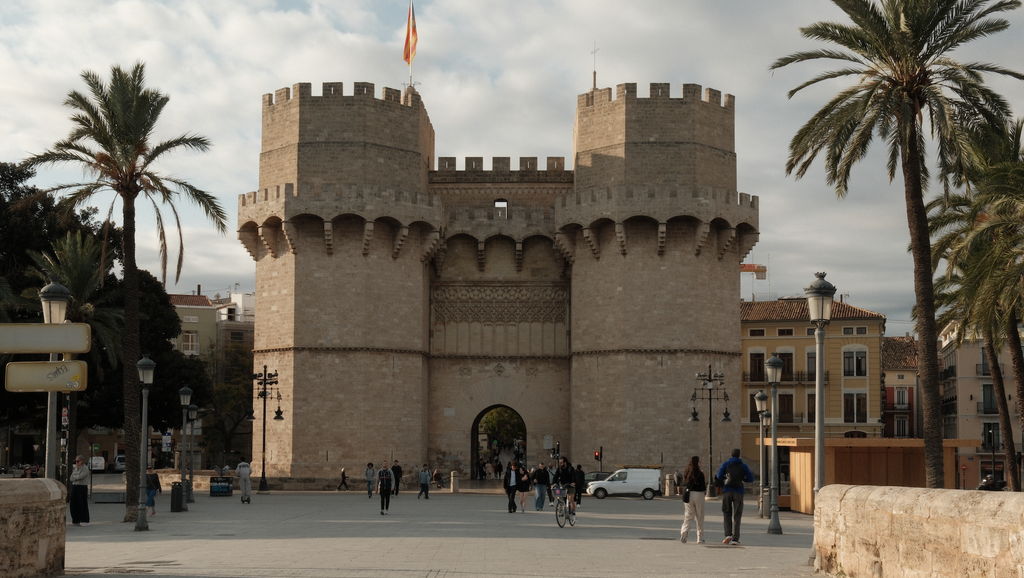
The Valencia cruise terminal sits some distance from the historic center, in an industrial area that the ship’s announcements advised us not to cross on foot. For those of us exploring on our own, there were two options: a taxi (about €20 each way) or a shared shuttle bus for €15 round trip, which dropped us near the Torres de Serranos. It’s an ideal starting point, not only because it’s central, but because these towers are a monumental gate from the late 14th century, built both as a defensive structure and as a statement of medieval Valencia’s prestige. Walking through them to begin the day is the perfect introduction to a charming city full of details, stories and flavors that make this Mediterranean port an exceptional stop on any cruise.
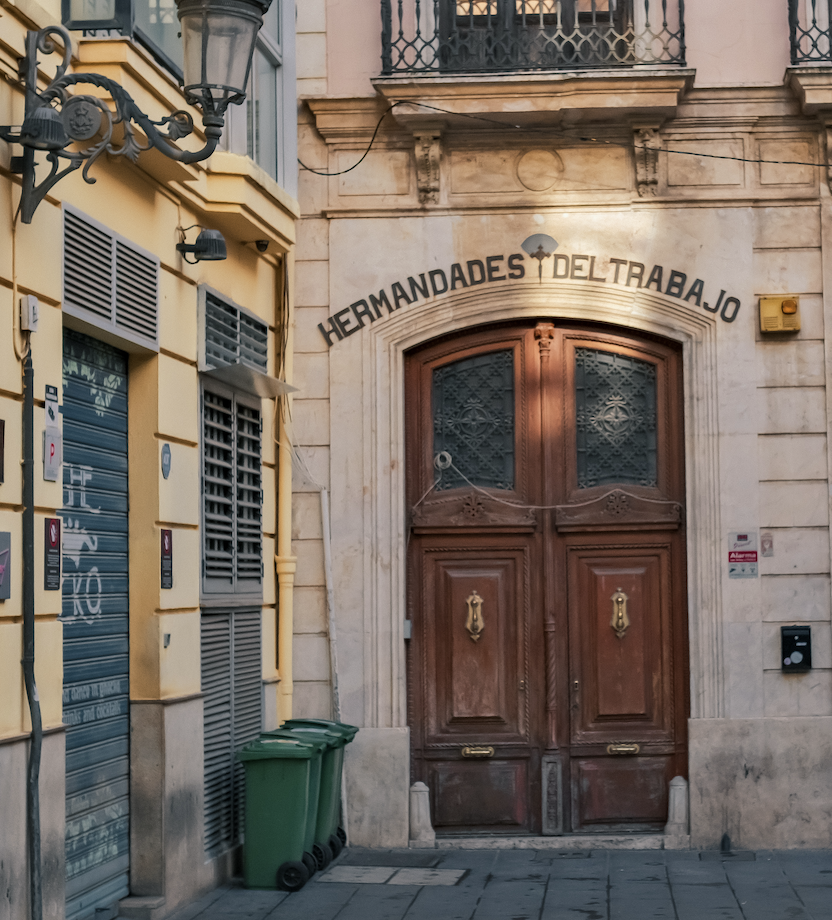
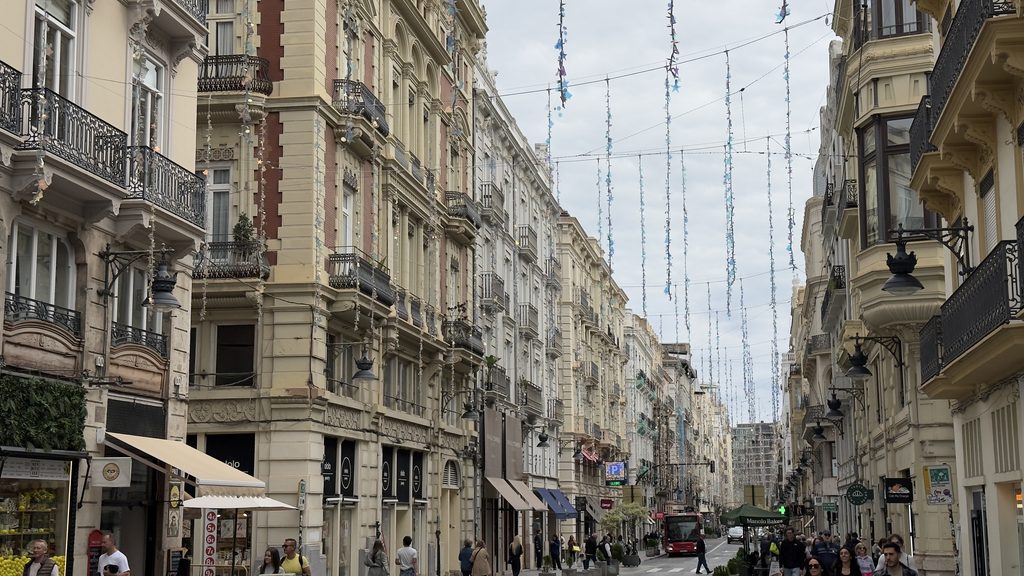
The first story Valencia tells as you step into its center is one of beauty and reinvention spanning more than 2,000 years, still alive in a modern, vibrant present. Its streets mix architecture from different eras with antique shops, bookstores packed so full you could spend hours inside, and, of course, bars and restaurants that reflect a social life lived out in the street.
Breakfast at Horchatería de Santa Catalina: Horchata and Fartons
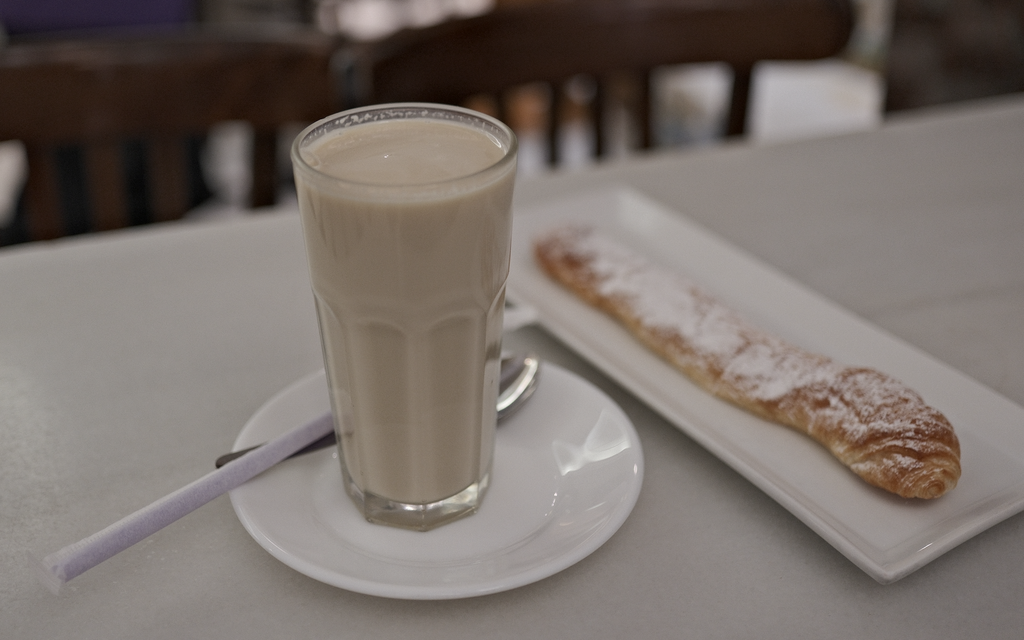
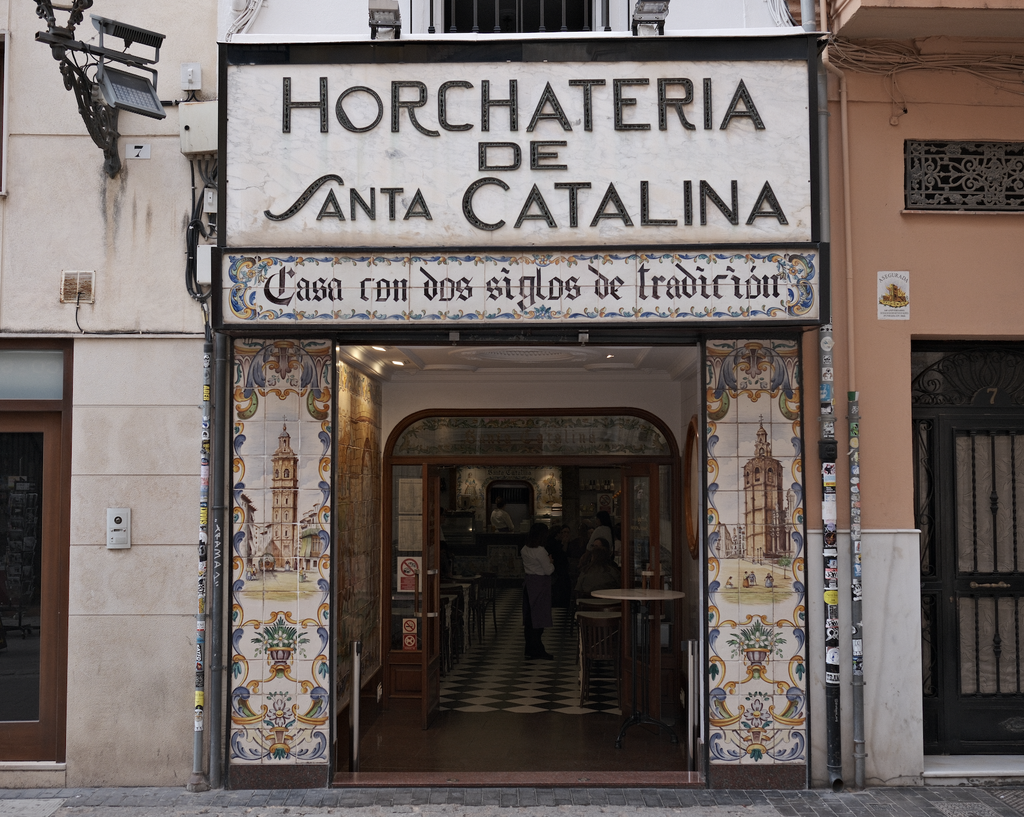
Starting early, at 9:00 a.m., when the first shuttles left the port, gave me the perfect light to photograph the city’s façades before breakfast at Horchatería de Santa Catalina. There I tried one of the most traditional pairings in Valencian cuisine: horchata with fartons. In Latin America, where I’m from, we also have a drink called horchata, and it looks very similar: both are white, like a plant-based milk. But the version I knew, the Mexican one, is made with rice, while Valencian horchata is made from tiger nuts, which makes it much smoother and more refreshing, in my opinion. It’s usually served with fartons, long, soft, fluffy sweet buns from the nearby town of Alboraya. Horchatería de Santa Catalina is the perfect place to try them, not only because they’re the house specialty, but also because of its charming interior, covered in colorful tiles.
The Central Market and La Lonja de la Seda
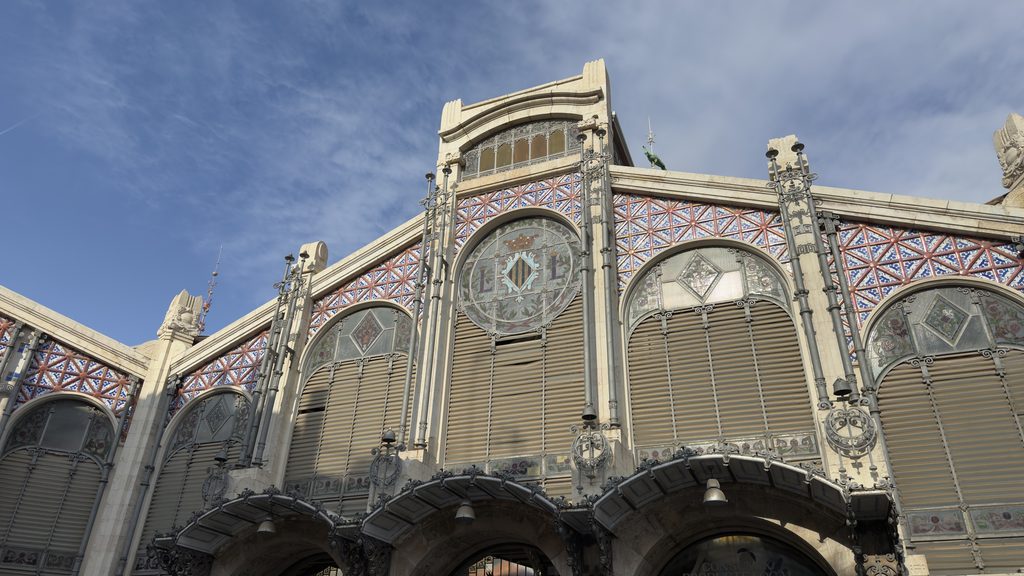
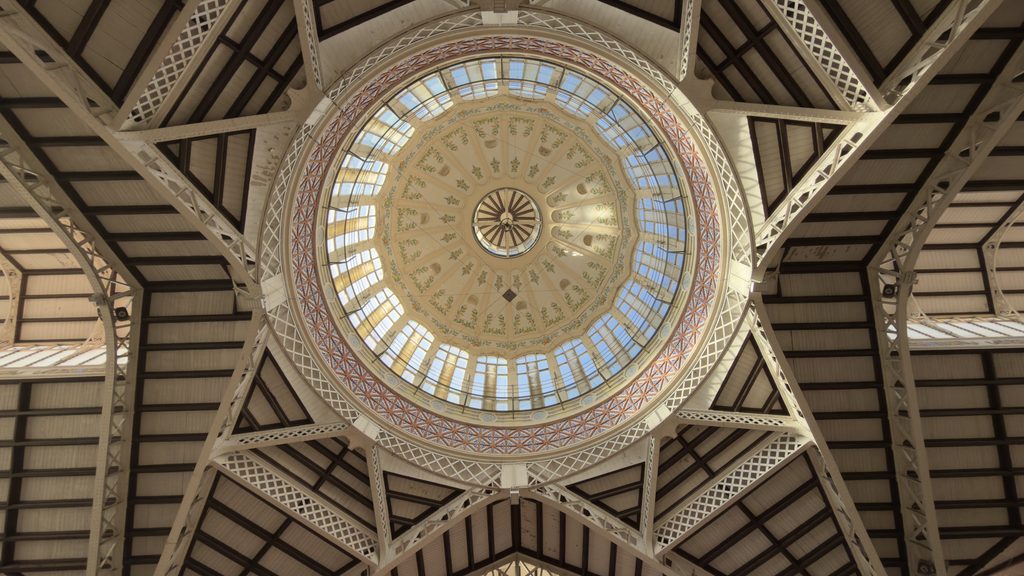
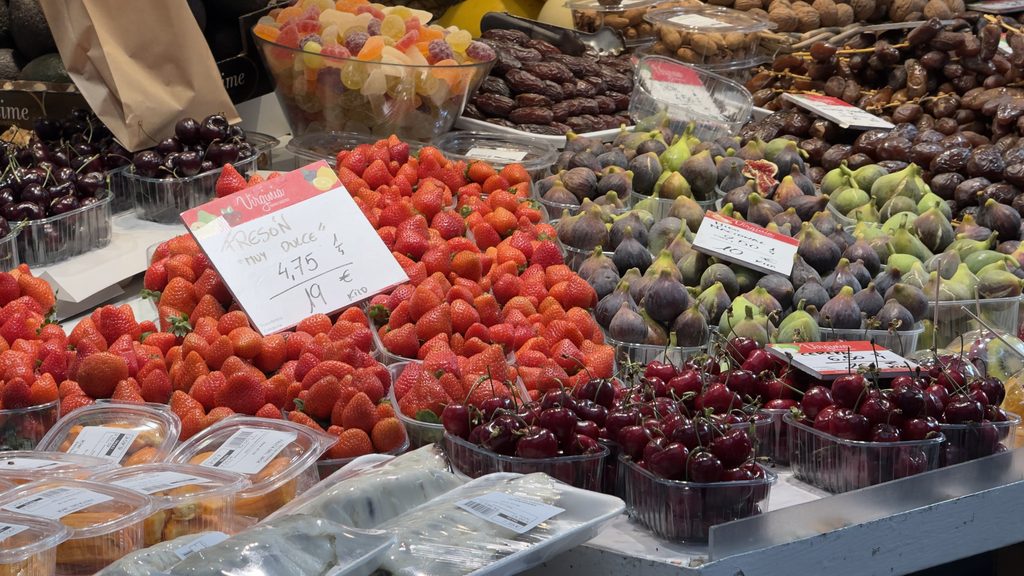
My walk continued to the Mercado Central, Valencia’s Central Market: an architectural showpiece of Valencian Modernisme, with its iron structure and the play of light pouring through its stained-glass windows. Keep in mind that this is a working market where many locals do their daily shopping, so a number of stalls don’t allow photos or filming. Even so, I highly recommend it as a way to discover local products, Valencian culture and the city’s iconic architecture.
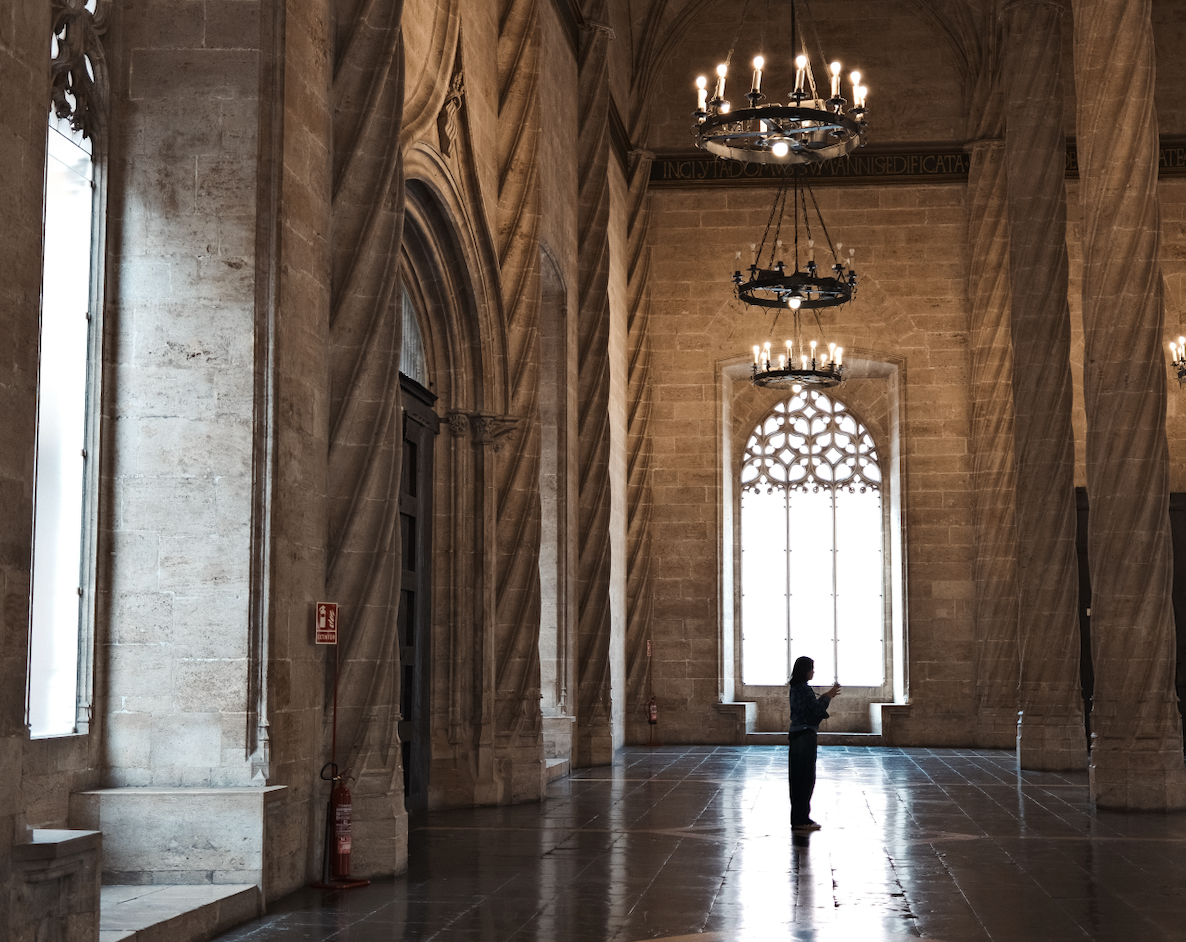
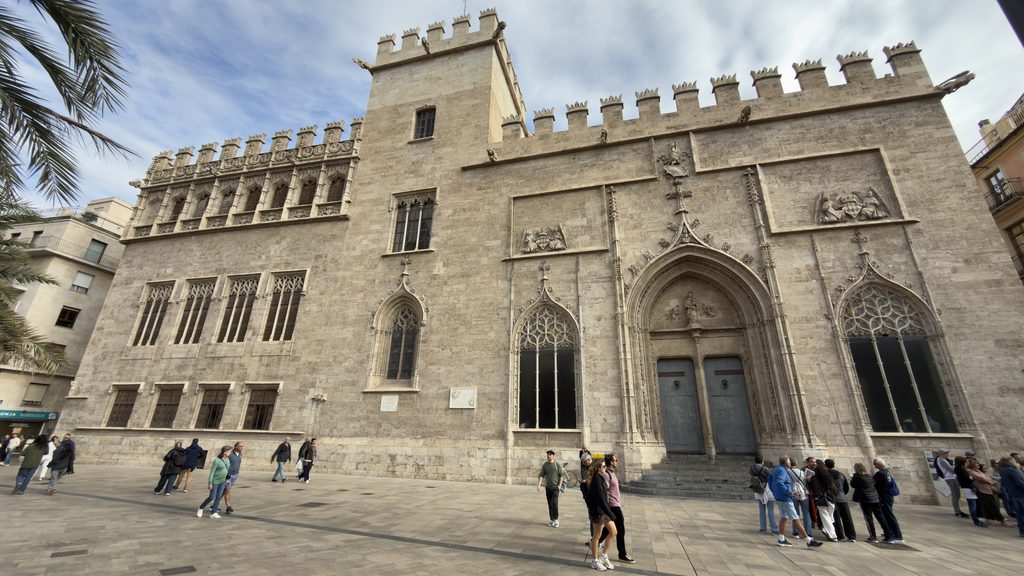
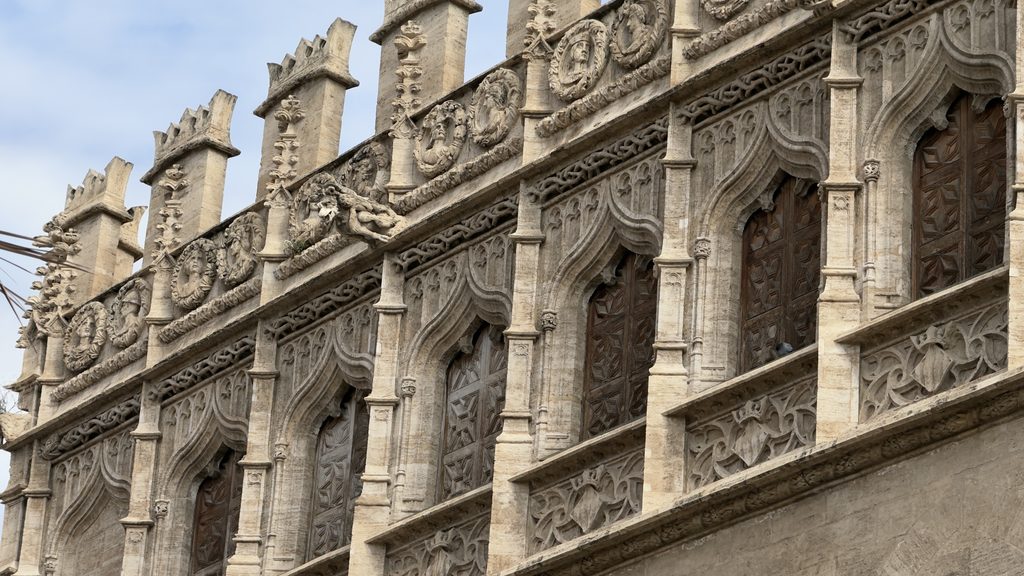
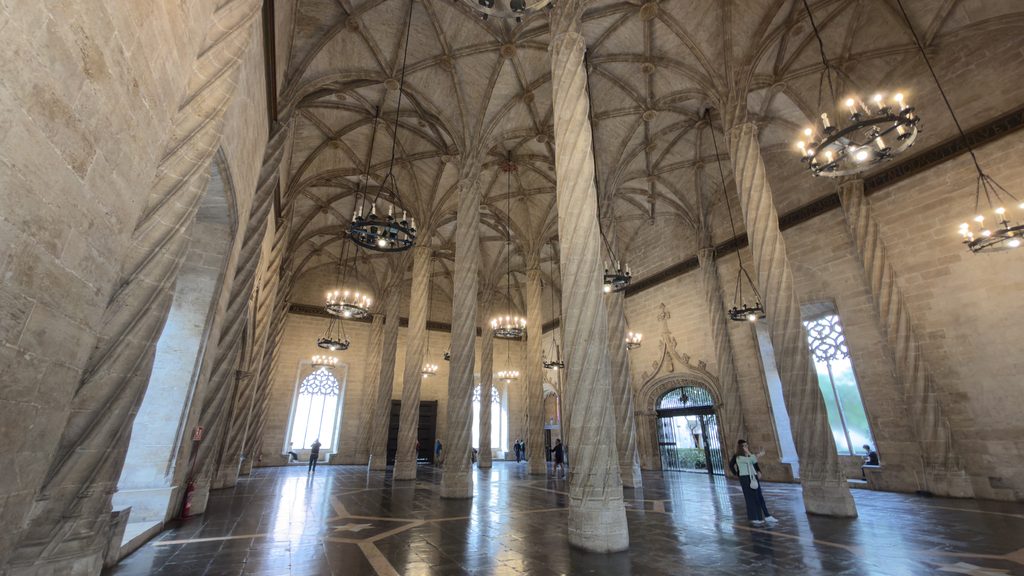
Speaking of iconic architecture, right across from the market stands a completely different building, with no iron or stained glass in sight: La Lonja de la Seda, the Silk Exchange, also known as the Merchants’ Exchange. It’s considered the most emblematic example of Valencian civil Gothic architecture. Construction began in 1482, and it was declared a UNESCO World Heritage Site in 1996. Towering stone walls, spiral columns that open like palm trees into ribbed vaults, and sculptural decoration full of gargoyles, demons and fantastic creatures: stepping inside feels like traveling back in time.
In Search of Paella Valenciana… and the Arroz al Horno at Los Gómez
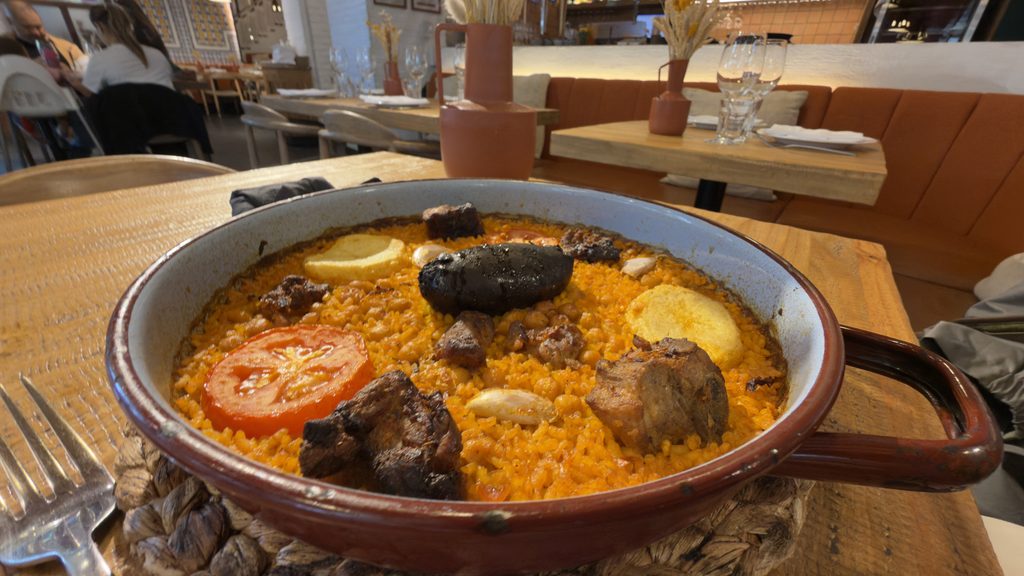
Beyond my passion for discovering monuments and local art when I travel, and how fascinating I find it to walk the streets of a new city and watch its people work and connect, the truth is that food is one of my biggest motivations. In Valencia, I was especially excited to try authentic paella valenciana for the first time. Paella is one of Spain’s most famous dishes, but the version most of us eat outside Valencia is far from the traditional recipe, made with chicken, rabbit, flat green beans and garrofó, a large white bean, among other ingredients. My mission was to eat it in its hometown. But as I looked for restaurants, I noticed that most of them only serve it for a minimum of two people, so I couldn’t find anywhere to order it. After a long walk, tired and hungry, I settled on Los Gómez, a restaurant with a modern, beautifully decorated space and a menu focused on the traditional Spanish dishes I love so much. There I ordered arroz al horno, an oven-baked rice dish with chickpeas, pork, potato, tomato and morcilla (blood sausage), maybe one of the best I’ve ever had.
The arroz al horno was a wonderful surprise: I liked it more than any other rice dish I’ve tried in Spain. The texture is tender, with crispy edges; the chickpeas add a distinctive contrast, and the meats make it comforting and hearty without feeling heavy.
My Best Tip for Your Valencia Port Day
That arroz al horno was also a lovely reminder of something we shouldn’t forget when we travel: when plans don’t work out, we have two options. We can give in to frustration, or open ourselves up to experiences that might surprise us with new memories and new favorite flavors.
And that’s exactly my best advice for when you visit Valencia on your Spain cruise: go with an open heart, get lost in its streets and let yourself be surprised. Maybe the same thing will happen to you, and Valencia will become one of your favorite cities in Spain.
Ready to plan your own Mediterranean or transatlantic cruise? Book with me at Dreams Unlimited Travel and you’ll pay the same price as booking directly, receive onboard credit on your Royal Caribbean sailing, and have an experienced cruiser keeping an eye on your reservation for new promotions and handling every detail for you, from shore excursions to transfers.